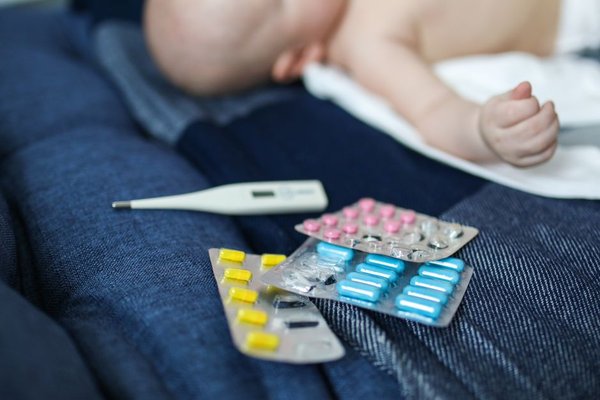
A baby feels warm after vaccination, and suddenly the thermometer becomes the most closely watched item in the house. Fortunately, a mild fever after routine shots is common and usually short-lived. The key is knowing what fits an expected response and what needs medical attention, especially when your baby is very young.
Most post-vaccination fevers begin within 12 to 24 hours and improve within a day or two. But timing alone cannot prove that a vaccine caused a fever. Babies can develop infections around the same time as their appointments, so age, behavior, feeding, and other symptoms matter as much as temperature.
Why Babies Sometimes Get a Fever After Vaccines
Vaccines introduce the immune system to harmless components or weakened forms of germs so it can prepare protective defenses. During that response, the body may temporarily raise its temperature. A baby may also be fussier than usual, sleep differently, or have soreness around an injection site.
A fever is not a measure of how well a vaccine worked. Babies who never develop one can still build protection. Likewise, a higher temperature does not mean stronger immunity. Different vaccines, doses, and children produce different reactions.
What Counts as a Fever, and What Is Usually Normal?
A temperature of 100.4°F (38°C) or higher is generally considered a fever. A digital thermometer is more reliable than judging warmth by touch. For young infants, ask your healthcare team which measurement method they recommend; rectal readings are often used for accurate assessment in babies under three months.
With many routine infant vaccines, a mild immunization fever starts on vaccination day or the next day and settles within 24 to 48 hours. Some children have symptoms for up to three days. They may remain responsive, accept breast milk or formula, and have regular wet diapers despite being clingier.
When Timing Matters
Not every vaccine follows the same clock. Measles-containing vaccines, generally given later in childhood, can cause a delayed fever several days afterward. Check the information sheet for the specific vaccine your child received. A fever appearing unexpectedly days later should not automatically be dismissed as a vaccine reaction.
The Age Rule That Matters Most
If your baby is younger than three months and has a temperature of 100.4°F (38°C) or higher, seek prompt medical advice or urgent assessment, even if vaccinations were given recently. Serious infections can develop quickly at this age. Some vaccination programs provide specific instructions after certain vaccines, including MenB; follow those instructions while contacting your clinician if the fever or your baby’s condition concerns you.
For babies aged three to six months, contact a healthcare professional promptly for a temperature of 102.2°F (39°C) or above, or sooner if the baby looks unwell. Older infants also need assessment for very high fever, worsening symptoms, or fever that persists. Your child’s usual health conditions may change the appropriate threshold.
How to Help Your Baby Feel More Comfortable
The goal is comfort, hydration, and observation rather than forcing the temperature back to a particular number. For a well-appearing baby with a mild reaction, simple care is often enough.
Offer breast milk or formula more frequently if your baby is taking smaller feeds. Keep clothing comfortably light without leaving your baby chilled. Let them rest, cuddle them, and use a cool, damp cloth on a sore injection site. Avoid ice baths, alcohol rubs, or excessive bundling.
Do not give fever medicine to a baby under three months without direct medical guidance. For older babies, ask the clinician about acetaminophen (paracetamol) and use the correct weight-based dose and formulation. In the United States, ibuprofen is generally not recommended below six months unless a clinician directs it. Never give aspirin. If your vaccination clinic recommended a particular medicine schedule, follow its instructions.
A Practical Evening Check
Imagine your four-month-old receives routine shots at lunchtime and reaches 100.9°F (38.3°C) that evening. She is slightly fussy but wakes easily, finishes most feeds, and continues having wet diapers. Record the temperature, time, how it was measured, and how she acts. Offer a feed and recheck when appropriate instead of waking her repeatedly just to measure. If she becomes unusually sleepy, feeds poorly, or develops a higher fever, call her clinician.
That short log is useful during a post vaccine fever baby concern: it helps a pediatrician understand the course of symptoms instead of relying on one reading.
When to Call the Pediatrician
Contact a healthcare professional if the fever lasts longer than about 48 to 72 hours, begins more than two days after most routine shots, returns after disappearing, or comes with worsening redness or swelling at the injection site. Earlier contact is appropriate for reduced feeding, noticeably fewer wet diapers, persistent crying, or a baby who seems unlike themselves.
Seek urgent care for a baby who is difficult to wake, unusually floppy, struggling to breathe, having a seizure, or showing signs of significant dehydration. Rapidly developing hives with facial swelling or breathing difficulty can indicate a severe allergic reaction and requires emergency services.
After the oral rotavirus vaccine, repeated vomiting, severe episodes of belly pain with legs drawn up, or blood in the stool also require urgent evaluation. This rare complication is different from ordinary infant shots fever and should not be watched at home.
Can Every Fever After Shots Be Blamed on Vaccines?
No. Colds, urinary tract infections, and other illnesses can start around the same time. A new cough, breathing difficulty, persistent vomiting, or a baby who becomes sicker rather than better deserves assessment. A vaccine reaction baby experiences may also differ from what happened after an earlier dose. Watch the whole child, not just the thermometer.
Frequently Asked Questions
How long does a baby’s fever last after vaccines?
With most routine vaccines, fever starts within the first day and improves within one or two days. Contact a clinician if it continues beyond two to three days, worsens, or does not fit the timing expected for the vaccine given.
Can my baby have a vaccine reaction without a fever?
Yes. Your baby may have a sore thigh, mild fussiness, or no symptoms at all. Not having a fever does not mean the immunization failed.
Should I wake my baby to check their temperature?
A comfortable baby who is breathing normally and wakes and feeds as expected generally does not need repeated waking solely to check a mild temperature. Follow your clinician’s advice, particularly for young infants or babies with other medical needs.
Does a fever mean we should skip the next vaccine?
Usually, a mild reaction does not prevent future doses. Tell the vaccination team what happened so they can review the history and advise you about the next appointment. A serious reaction needs individual assessment.
The Bottom Line
A brief fever after vaccination is often an expected immune response. But age and behavior change the decision: fever in an infant younger than three months needs prompt medical advice, and any baby with alarming symptoms needs urgent care. Tracking temperature alongside feeding, alertness, and wet diapers makes it easier to recognize when a mild reaction is no longer mild. For related guidance, see normal baby temperature, signs of dehydration in babies, and the baby vaccination schedule.