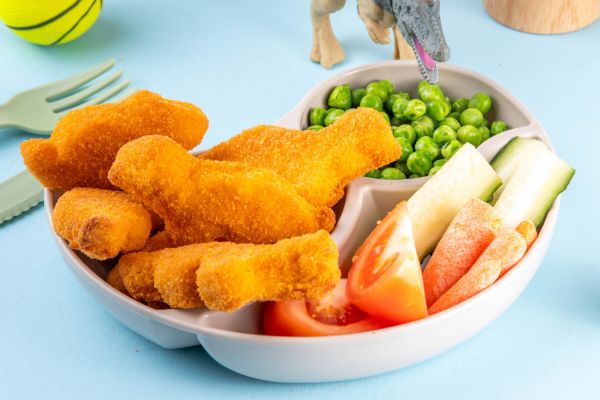
Toddlers seem to live in two extremes. One moment they are happily eating everything in sight, and the next they reject a favorite food because it was cut the “wrong way.” Appetite can change daily, moods shift quickly, and snack requests often arrive five minutes after a full meal. For parents and caregivers, feeding toddlers can feel both amusing and exhausting.
Snacks play an important role during these years. Toddlers are growing fast, moving constantly, and often unable to eat large meals at one sitting. Smaller meals with planned snacks can help meet their energy and nutrition needs while supporting steady routines.
The key is choosing foods that satisfy hunger, offer nourishment, and fit real family life. The best snacks for toddlers are usually simple, balanced, and easy to serve without turning every snack time into a negotiation.
Why Snacks Matter for Toddlers
Toddlers have small stomachs but big energy demands. They may run, climb, dance, and explore all morning, then suddenly melt down because hunger arrived faster than expected.
Well-timed snacks can help bridge the gap between meals, support stable energy, and reduce overtired hunger tantrums. They also create opportunities to offer nutrients that may be missed at meals, such as fruit, dairy, healthy fats, fiber, or protein.
Snacks are not just filler food. They can be a valuable part of the day when offered thoughtfully.
What Makes a Good Toddler Snack
The most useful snacks combine staying power with practicality. Foods that include fiber, protein, or healthy fats often keep toddlers satisfied longer than sugary or highly processed options alone.
Texture matters too. Toddlers enjoy foods they can hold, dip, scoop, or explore with their hands. Familiarity also helps. New foods may be accepted more easily when paired with something already trusted.
Among the best snacks for toddlers, simplicity usually wins over perfection.
A banana with yogurt can be more useful than an elaborate recipe no one eats.
Fresh Fruit with Easy Pairings
Fruit is often a natural favorite because it is sweet, colorful, and easy to prepare. Sliced bananas, soft pear pieces, berries cut appropriately when needed, melon cubes, or peeled apple slices can work well depending on age and chewing ability.
Pairing fruit with yogurt, cheese, nut or seed butter where safe and appropriate, or cottage cheese can make the snack more filling.
Fruit alone is great too. It does not always need improvement.
The goal is regular exposure, not complicated presentation.
Vegetables That Feel Snack-Friendly
Some toddlers happily crunch cucumber sticks or steamed carrot slices, while others need more time to warm up to vegetables outside meals.
Serving vegetables with hummus, yogurt-based dips, mashed avocado, or soft spreads can make them more inviting. Lightly cooked vegetables may be easier for some children than raw textures.
Do not assume refusal means permanent dislike. Toddlers often need repeated low-pressure exposure before accepting a food.
Patience matters more than persuasion.
Dairy and Dairy Alternatives
Cheese cubes, plain yogurt with fruit, cottage cheese, or fortified dairy alternatives can offer protein, calcium, and satisfying texture.
Many parents find yogurt especially useful because it works at home or packed for outings with an ice pack. Mixing in mashed fruit or oats can create variety without needing sweetened products.
When considering the best snacks for toddlers, foods that are easy, nourishing, and generally accepted often become everyday heroes.
Whole Grains for Steady Energy
Toddlers burn energy quickly. Whole-grain snacks can help support fuller, steadier satisfaction.
Mini whole-grain toast strips, oat muffins with low added sugar, plain oatmeal cooled enough to eat safely, whole-grain crackers, or rice cakes with toppings can work well.
These foods become more balanced when paired with protein or fat. Crackers with cheese, toast with avocado, or oats with yogurt often last longer than grains alone.
Protein-Powered Snack Ideas
Protein can help toddlers stay full between meals and support growth.
Options may include boiled egg pieces, beans mashed onto toast, hummus, shredded chicken, yogurt, cheese, tofu cubes, or nut and seed butters where developmentally safe and allergy guidance has been considered.
Not every snack needs protein, but including it regularly can be helpful—especially for toddlers who seem hungry again very quickly.
Homemade Snacks That Keep Life Easy
Homemade does not need to mean complicated.
Simple banana oat bites, mini egg muffins, yogurt pops made from blended fruit, baked sweet potato cubes, or freezer-friendly pancakes can save busy mornings and rushed afternoons.
Batch-prepping a few basics can reduce the temptation to rely only on packaged convenience foods.
Still, convenience foods have their place. A realistic feeding approach allows both homemade and store-bought options when needed.
Packable Snacks for Outings
Toddlers often become hungry at the least convenient moment: in the car, at the park, while waiting in line, or halfway through errands.
Portable snacks such as fruit, dry cereal, crackers, cheese, pouches chosen thoughtfully, mini sandwiches, or muffins can be helpful to keep on hand.
Preparedness often prevents stress. A hungry toddler with no snack nearby can turn an ordinary trip into an emotional event very quickly.
Foods to Offer Mindfully
Some foods may require caution depending on age and chewing skills. Whole grapes, large nuts, popcorn, hard candies, and other choking hazards should be modified or avoided according to pediatric safety guidance.
Sugary snacks are not forbidden, but relying on them regularly may crowd out more nourishing options and lead to quick hunger rebounds.
Balance matters more than fear. Food should feel safe and sensible, not stressful.
Handling Picky Phases
Many toddlers go through selective eating phases. Foods loved last week may be rejected today for mysterious reasons.
Try not to panic. Continue offering familiar favorites alongside new or less-loved foods. Keep portions small. Avoid turning snack time into pressure or bargaining.
Repeated calm exposure often works better than insisting “just one bite.”
Picky phases are common, and many pass with time.
Snack Timing Matters Too
Even the best snacks for toddlers can create mealtime struggles if offered too close to lunch or dinner.
Many families do well with planned snack times rather than constant grazing. This allows toddlers to arrive at meals with some appetite while still avoiding extreme hunger.
A predictable rhythm can also reduce endless snack requests throughout the day.
Toddlers thrive on gentle routine more than adults sometimes realize.
Let Toddlers Participate
Toddlers love independence. Letting them choose between two healthy options, help wash fruit, stir yogurt, or place snacks on a plate can increase interest.
Food is not only nutrition during these years. It is learning, sensory exploration, language, and confidence-building too.
Sometimes involvement matters as much as the snack itself.
Conclusion
The best snacks for toddlers are not the fanciest or most perfect ones. They are the foods that nourish growing bodies, fit busy family life, and can be offered consistently without stress. Fruit, vegetables, dairy, grains, protein foods, and simple homemade options all have a place in a balanced toddler routine.
Some days your toddler will eat everything. Other days they may survive on three bites of banana and determination. That is part of the season. Keep offering variety, trust the bigger picture, and remember that healthy habits are built over time—not in one afternoon snack.