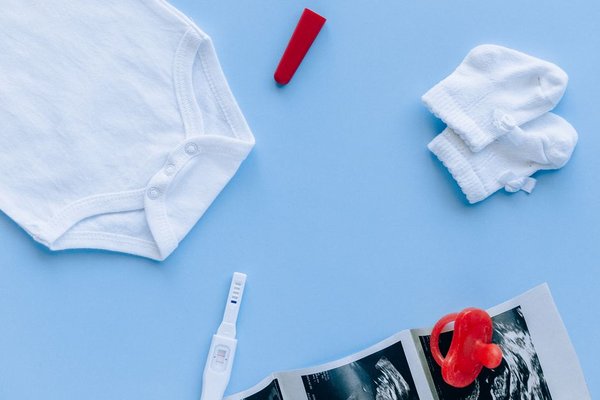
Walk into any baby store and you’ll feel it within thirty seconds: the low hum of panic that says “buy everything, just in case.” Wipe warmers. Bottle sanitizer bags. A dedicated nail file. It’s easy to leave with a cart full of things you’ll use twice and a credit card bill that makes your partner wince. But the parents doing it smartest in 2026 have flipped the script. They’re not buying more — they’re buying better. Fewer items, higher quality, and a genuine reason for every single thing on the list. This newborn registry checklist follows that exact philosophy: no fluff, no filler, just what first-time parents actually need to get through the first year with a happy, healthy baby and a sane bank account.
Why “Less but Better” Is the Smarter Way to Register in 2026
For years, baby registries were treated like scavenger hunts — the longer the list, the more prepared you looked. But most experienced parents will tell you the same thing: half the stuff never left its box. The 2026 shift toward curated, intentional registries isn’t a trend for trend’s sake. It’s a response to cluttered nurseries, wasted money, and the realization that newborns need surprisingly little to thrive. A solid set of baby registry essentials, chosen with care, beats a 200-item list every time. Think of this guide as your filter — the stuff worth your money and your shelf space.
The Core Newborn Registry Checklist
Break it down by category and the whole process feels far less overwhelming. Here’s what actually earns a spot on your list.
Sleep
Safe sleep is non-negotiable, and it’s also one of the easiest categories to get right without overspending. You’ll need a crib or bassinet that meets current safety standards, a firm mattress with a fitted sheet (skip the bumpers and loose bedding), and two to three sleep sacks or swaddles depending on your baby’s temperament. A bassinet that sits beside your bed for the first few months is one of those items new parents consistently rate as worth every penny.
Feeding
Whether you’re planning to breastfeed, formula-feed, or some mix of both, keep your feeding gear simple at first. A few bottles in a size your baby will actually use, a bottle brush, a drying rack, and — if you’re pumping — a reliable breast pump are the essentials. Hold off on bulk-buying bottles or formula before birth, since babies can be surprisingly particular, and you don’t want a cabinet full of things that get refused.
Diapering
This is where “buy less but better” really pays off. You don’t need a warehouse of newborn-size diapers, because babies outgrow that size fast, sometimes within weeks. Start with one or two packs, a changing pad, and a solid diaper cream, then reorder as needed once you know your baby’s size and skin sensitivity.
Clothing
Newborns grow at an almost alarming rate, so resist the urge to stock up on every adorable outfit you see. Five to seven onesies, a couple of sleep gowns, a light jacket or bunting depending on your climate, and a few pairs of soft socks or booties will cover you until the next size up. Save the special outfits for the sizes they’ll actually wear for more than a week.
Bathing and Grooming
An infant tub, a soft washcloth, a mild baby wash, and a baby-safe nail clipper or file round out this category. That’s genuinely it — you don’t need a dozen grooming tools for a baby who barely has hair yet.
Travel and Out-and-About
An infant car seat is mandatory, not optional, and it’s worth researching before you register rather than picking the first one you see. Pair it with a stroller that fits your lifestyle — a lightweight one for city walks, a jogging stroller if you’re active — and a baby carrier for hands-free days. These three items alone will get you through most errands and outings in year one.
Health and Safety
A digital thermometer, a nasal aspirator, infant pain reliever appropriate for your baby’s age (check with your pediatrician before use), and a baby monitor are the practical basics. Beyond that, most “health gadgets” marketed to new parents are optional at best.
What You Can Skip (Yes, Really)
Registries are often padded with items that look useful in a showroom but gather dust at home. Wipe warmers, shoes for a baby who isn’t walking, extensive toy collections, and matching nursery decor sets rarely make the “most used” list among real parents. If you’re building a what to buy for newborn list from scratch, it’s worth asking one question for every item: will this matter in the first three months? If the answer is no, it can wait — or skip the registry entirely.
Building Your Baby Shower Registry Without the Overwhelm
When it comes time to actually build your baby shower registry, resist filling it item by item as you remember things. Instead, work category by category using the checklist above, and mix price points so guests have options — a $15 pack of burp cloths sits right alongside a $300 car seat. This makes it easier for friends and family to contribute meaningfully, and it keeps your registry from becoming an unfocused wish list. A well-organized first-time parent checklist also signals to guests that you’ve thought it through, which tends to result in more useful gifts and fewer duplicate stuffed animals.
Frequently Asked Questions
How many items should be on a newborn registry?
There’s no magic number, but most curated registries land between 40 and 60 items when you focus on true essentials rather than every product a store recommends. Quality and necessity matter more than quantity.
When should I start my baby registry?
Most parents begin around the start of the second trimester, giving enough time to research bigger purchases like car seats and strollers, while leaving room to adjust the list as the baby shower approaches.
Do I really need a separate bassinet if I already have a crib?
Not strictly, but many parents find a bedside bassinet useful for the first few months since it keeps the baby close during nighttime feeds without the need to walk to another room.
What’s the biggest mistake first-time parents make with registries?
Overbuying newborn-size clothing and diapers. Babies grow out of these so quickly that it’s smarter to start small and restock once you know your baby’s actual size and needs.
Final Thoughts
A great newborn registry isn’t the longest one — it’s the one where almost everything actually gets used. Stick to the essentials, resist the trends that look good on a shelf but don’t earn their keep, and trust that you can always add to your registry later if something turns out to be genuinely needed. Less clutter, more clarity, and a lot more peace of mind heading into those first exhausting, wonderful months.