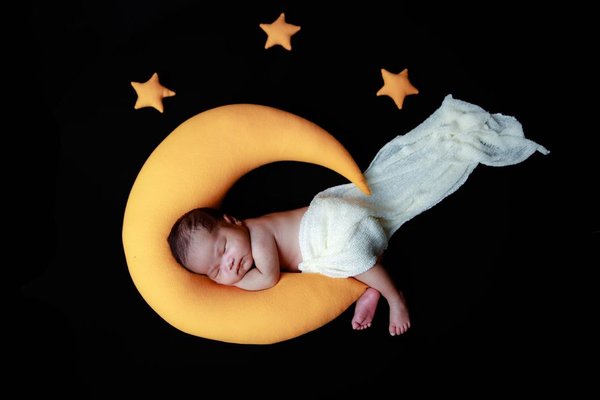
Celestial baby names invite you to look beyond everyday places toward bright stars, the changing moon, ancient constellations and the first light of morning. They can be romantic without sounding elaborate, or adventurous while still fitting naturally into daily life.
The most interesting choices are not all direct translations of “star.” Some come from astronomy, others from mythology or words associated with the sky. Knowing the difference makes it easier to find a name whose story genuinely appeals to you.
Star Baby Names With Beautiful Meanings
Stella, Estelle and Astra
Stella means “star” in Latin. It is graceful, recognizable and appealing if you prefer a celestial reference that does not sound unusual. Estelle comes through French from the same Latin root and feels a little more vintage. Astra, ultimately connected to the Greek word for star, offers a sharper, more futuristic sound.
Seren, Vega and Sirius
Seren is a Welsh name meaning “star.” Its gentle pronunciation and simple spelling make it an appealing alternative to Stella. Vega is a bright star in the constellation Lyra, making it a striking choice for families who enjoy skywatching. Sirius, the brightest star in Earth’s night sky as seen from the ground, is a bolder option with a distinctive sound.
Moon Baby Names: Soft, Mythological and Unexpected
Luna and Selene
Luna means “moon” in Latin and is also the name of the Roman moon goddess. It is short, melodic and unmistakably celestial. Selene comes from Greek mythology, where Selene personifies the moon. For parents who love Luna’s imagery but want a more flowing sound, Selene is worth considering. Selena is a related form with a familiar contemporary feel.
Diana and Phoebe
Diana is the Roman goddess associated with the hunt and, in later traditions, the moon. The connection is mythological rather than a literal translation of her name. Phoebe has several layers: it is an established given name, a figure from Greek myth, and the name of a moon orbiting Saturn. Its space connection is real, even though Phoebe does not simply mean “moon.”
Moon baby names often appeal to parents who prefer gentle sounds, but there is no rule that their meanings must be delicate. The moon also suggests change, cycles and endurance. If you love this quieter style, exploring vintage baby names may reveal others with a similar rhythm.
Constellation Names With Stories Behind Them
Orion and Leo
Orion is a prominent constellation named for a hunter from Greek mythology. With three distinct syllables and a strong ending, it is one of the most wearable astronomy baby names. Leo means “lion” in Latin and names a zodiac constellation. It works even for families who are not especially interested in astronomy, thanks to its friendly, compact sound.
Lyra, Andromeda and Cassiopeia
Lyra is a small constellation representing a lyre, a musical instrument. It contains the bright star Vega, so the two names share an astronomical connection. Andromeda and Cassiopeia are constellation names drawn from Greek myth. Both feel grand and literary, although their length makes them more adventurous choices for everyday use.
Constellations are patterns we recognize from Earth; their stars are not necessarily physically close together. That distinction adds an interesting detail to a child’s name story: the picture comes from human imagination as much as from the universe itself.
Names Inspired by Planets, Sunlight and the Wider Sky
Venus, Mars and Nova
Venus names both a planet and the Roman goddess of love and beauty. Mars is the red planet and the Roman god of war; its crisp sound makes it a daring first-name option. Nova is often grouped with space inspired names because a nova is an astronomical event in which a star suddenly becomes much brighter. As a given name, however, Nova comes from a Latin word meaning “new,” not directly from the name of a planet.
Aurora, Celeste and Sol
Aurora means “dawn” in Latin and is the name of the Roman dawn goddess. It also evokes the colorful auroras visible in high-latitude skies. Celeste has a heavenly association through its Latin roots, without pointing to one object in particular. Sol means “sun” in Spanish and Portuguese, offering a bright, concise choice.
If you prefer names that suggest the atmosphere rather than deep space, Sky and Skye are straightforward possibilities. They sound more relaxed than Cassiopeia, yet carry a similar sense of openness. You could also browse nature inspired baby names for names built around light, weather and landscape.
How to Choose a Celestial Name That Fits Real Life
Start by deciding which connection matters most: an actual star, a mythological figure, a word meaning “moon,” or simply the feeling of a vast night sky. A name with an astronomical association does not automatically have that meaning in its original language. Separate the name’s etymology from the story attached to it.
Then test your shortlist aloud with your surname. For example, Lyra and Vega both connect to the same constellation, but Lyra may feel softer while Vega sounds punchier. Say each name in a normal sentence, check whether people in your community are likely to pronounce it correctly, and consider whether an easy nickname would be useful.
For a personal touch, open a sky map for the season or place your baby is expected to be born. You might discover that Orion is visible on winter evenings in your region, while Lyra is easier to spot at another time of year. This does not determine a name’s meaning; it simply gives you a memory to share. Families interested in the symbolism may also enjoy mythology inspired baby names.
Frequently Asked Questions
What are the most recognizable celestial baby names?
Luna, Stella, Aurora, Leo and Orion are easy to recognize and explain. They span different styles, from classic and gentle to bold and mythological, so there is no single obvious favorite.
Are celestial names suitable for any gender?
Yes. Choices such as Sky, Skye, Nova and Sol may be used with different gender associations depending on language and culture. Other names, including Luna or Orion, have more established traditional usage. Choose the sound and personal fit that matter to you.
What is the difference between a star name and a constellation name?
Vega and Sirius are names of individual stars. Lyra, Orion and Cassiopeia name constellations, which are recognized regions of the sky associated with star patterns. The distinction can help you choose a more specific connection.
Do all celestial names literally mean star or moon?
No. Stella and Seren mean “star,” while Luna means “moon.” Venus and Orion come from mythology, and Nova means “new” as a given name. Many celestial associations are historical, symbolic or astronomical rather than literal translations.
A Name With Room to Wonder
The best celestial baby names balance an evocative story with a sound you genuinely enjoy saying. You might love the simplicity of Seren, the radiance of Aurora or the adventurous energy of Orion. Pick a name that works on an ordinary Tuesday as well as beneath a sky full of stars, and its cosmic connection can remain a beautiful extra layer for years to come.