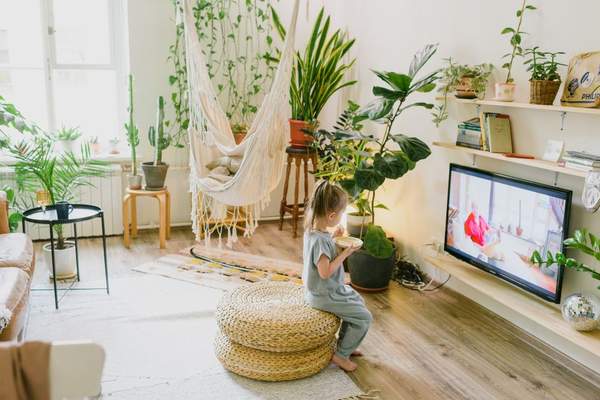
The living room is where babies see everyone coming and going. It is also where coffee tables, television stands, chargers, blankets, and yesterday’s snack crumbs share the floor. Babyproofing a living room works best when you look beyond obvious sharp corners and consider what a curious child can pull, climb, open, or put in their mouth.
You do not need to remove every piece of furniture. The goal is a space where exploration is safer, with extra attention to hazards that can cause serious injury in seconds.
Inspect the Room from Your Baby’s Height
Get down on your hands and knees and follow the route from the play mat to the sofa, television, doorway, and window. Notice dangling cords, accessible sockets, loose decorative objects, and gaps behind furniture. Then stand up and look for taller pieces a child could eventually climb.
Repeat this inspection as your baby learns to roll, crawl, pull to stand, and walk. A room that seems secure for a newborn can present different risks just a few months later.
Secure Televisions, Bookcases, and Other Furniture
Furniture tip-overs are among the most serious living room hazards. Anchor bookcases, cabinets, dressers, and other potentially unstable furniture to wall framing or suitable structural supports using the manufacturer’s instructions and appropriate hardware. A heavy-looking unit is not automatically stable.
Wall-mount a television securely or use an appropriate anti-tip restraint for a television on a stand. Secure the stand too. Do not rely on the television’s weight or the fact that your baby cannot climb yet. Keep toys and remotes off high shelves so children are not tempted to reach upward.
Deal with Coffee Tables and Hard Edges
A coffee table is often the first solid object a baby encounters while cruising around the room. Rounded corners or firmly attached corner guards can reduce minor impacts, but they do not make glass, heavy stone, or unstable tables harmless. Check that guards cannot be peeled off and mouthed.
Consider moving a particularly hazardous table out of the play area during the early walking stage. Secure loose floor lamps and avoid placing climbable stools beside shelving or windows.
Make Outlets and Electrical Cords Less Accessible
Use tamper-resistant electrical receptacles where available and appropriate, or properly fitted child-resistant outlet protection. Avoid loose plug-in caps that could become choking hazards if removed. Keep power strips and extension cords inaccessible, rather than simply hiding them beneath a rug, where they can overheat or be damaged.
Route television, speaker, and charging cables behind secure furniture or through suitable cord-management systems. Unplug chargers when not in use and keep damaged cables out of service. For a practical test, gently tug each accessible cord: if it could pull down a lamp or device, change the setup.
Check Windows, Blinds, and Nearby Furniture
Cordless blinds or shades are the safest choice for homes with young children. Window-covering cords can create a strangulation hazard even when an adult is nearby. Keep sofas, chairs, toy boxes, and other climbable furniture away from windows and any remaining cords.
Window screens do not prevent falls. Where needed, install appropriate window guards or stops that still allow emergency escape. Keep balcony doors secured and supervise access to any adjoining outdoor space.
Block Access to Fireplaces and Heating Sources
Fireplace glass and surrounding surfaces can remain hot after a fire is turned off. Use a securely installed safety barrier suitable for the fireplace, following the appliance and barrier manufacturers’ guidance. A decorative screen alone may not keep a crawling baby away from hot surfaces or sharp hearth edges.
Keep portable heaters, candles, matches, and lighters out of reach. Position heaters with the clearances specified by their manufacturers, away from curtains and soft furnishings. Never leave a baby unattended around an operating fire or heater.
Remove Choking Hazards That Accumulate During Family Life
Small hazards frequently arrive with adults and older children: coins, hair ties, beads, loose toy parts, and snacks dropped between sofa cushions. Check under the couch and around the rug after visitors leave. Choose age-appropriate toys, regularly inspect them for damage, and keep older siblings’ small-piece games in a separate area.
Pay special attention to remote controls, key fobs, and light-up decorations. Some contain button or coin batteries that can cause life-threatening internal injury if swallowed. Keep these items inaccessible unless their battery compartments are securely fastened, and promptly remove damaged products. Suspected battery swallowing requires immediate emergency medical care, even if the child seems well.
Do Not Overlook Sofas, Recliners, and Everyday Clutter
Babies can fall from sofas and become trapped beside cushions or furniture. Do not leave a baby alone on a raised seat, even for a quick trip to the kitchen. Keep moving recliner mechanisms away from children, and check beneath the chair before operating it.
Clear plastic bags, packaging, long straps, and loops from the floor. Watch for heavy picture frames, unstable plant pots, and pet supplies. A baby safe living room also needs an uncluttered path for the adults carrying a child.
Create a Safer Play Zone Without Relying on It Entirely
Place a washable play mat on a clear section of floor, away from the television stand, fireplace, and traffic through doorways. A properly installed safety gate may help separate a hazardous adjoining space, but a gate is not a substitute for securing hazards inside the living room.
Try a five-minute reset each evening: collect small objects, return remotes to a high closed drawer, check cables, and scan the floor. A room-by-room babyproofing checklist is useful when you are ready to inspect other spaces; guidance on choosing and installing baby gates can help with open-plan layouts.
Frequently Asked Questions
When should I start babyproofing the living room?
Start before your baby becomes mobile, ideally while there is time to anchor furniture and make changes calmly. Reassess when your child begins crawling, standing, climbing, or reaching higher surfaces.
Are corner guards enough to childproof a living room?
No. Corner guards address only certain bumps. Anchoring furniture and televisions, controlling cords, preventing access to heat, and removing choking hazards are equally essential parts of living room babyproofing.
Can I leave a baby in a babyproofed living room alone?
No. Childproofing lowers risk but cannot prevent every accident or replace active supervision. Keep babies within appropriate sight and hearing, especially around pets, siblings, doors, and movable furniture.
What should I fix first on a limited budget?
Prioritize hazards with severe consequences: unsecured furniture and televisions, accessible window-blind cords, exposed batteries, and fireplaces. Removing small objects and repositioning furniture costs little. Add outlet protection and other suitable equipment as needed.
A Living Room That Can Grow with Your Child
The most effective approach to babyproofing a living room is to secure what can fall, separate children from heat and cords, and remove anything small enough to swallow. Keep checking the space as new skills emerge. A thoughtful layout and a consistent daily reset make safer play easier without turning the family room into an empty room.