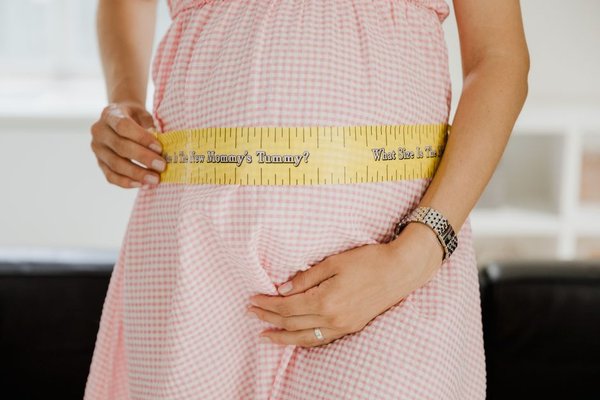
Pregnancy weight gain can feel surprisingly emotional. One week the scales barely move; the next, the number jumps and it is easy to wonder whether you are gaining too much or too little. In reality, pregnancy weight gain by trimester is rarely a perfectly straight line. Nausea, appetite, fluid and the baby’s growth can all affect short-term changes.
The NHS says most pregnant women gain around 10 to 12.5kg overall, with most of that gain happening after week 20. However, there is no single target that suits everyone. Your pre-pregnancy body mass index, or BMI, your health, whether you are carrying one baby or multiples, and how your pregnancy develops all matter. The most useful approach is to treat weight ranges as a guide rather than a weekly test you must pass.
Why Weight Gain Happens During Pregnancy
Not all pregnancy weight is body fat. The total includes the baby, placenta, amniotic fluid, a larger uterus and breasts, increased blood volume, extra body fluid and some stored energy for birth and breastfeeding.
Current NICE guidance also recognises that the optimal amount of weight change is uncertain and varies between individuals. Rather than focusing only on the scales, UK guidance places greater emphasis on a balanced diet, appropriate physical activity and personalised antenatal care.
A Realistic Weight Gain Chart for Pregnancy
For people who want a reference point, NICE advises discussing estimated healthy total weight change according to pre-pregnancy BMI. The following ranges, based on National Academy of Medicine guidance for a singleton pregnancy, are commonly used as a weight gain chart in pregnancy.
Pre-pregnancy BMI below 18.5: approximately 12.5 to 18kg in total.
Pre-pregnancy BMI 18.5 to 24.9: approximately 11.5 to 16kg in total.
Pre-pregnancy BMI 25 to 29.9: approximately 7 to 11.5kg in total.
Pre-pregnancy BMI 30 or above: approximately 5 to 9kg in total.
These estimates apply to one-baby pregnancies and should not replace advice from your midwife or doctor. BMI is usually calculated from your height and weight at the first antenatal appointment.
First Trimester Weight Gain: Weeks 1 to 13
Weight gain in the first trimester is often modest. A commonly used estimate is around 0.5 to 2kg across the whole trimester, but some people gain less, remain stable or temporarily lose weight because of nausea and vomiting.
There is usually no need to “eat for two”. Your energy needs do not suddenly double in early pregnancy. Instead, focus on manageable meals and snacks that provide protein, wholegrain carbohydrates, fruit, vegetables and calcium-rich foods. If nausea is difficult, smaller meals, bland foods and regular fluids may be easier to tolerate.
Contact your midwife, GP or maternity unit if vomiting is severe, you cannot keep fluids down, you feel dehydrated or you are losing significant weight. Persistent severe sickness may be hyperemesis gravidarum and needs clinical assessment.
Second Trimester Weight Gain: Weeks 14 to 27
The second trimester is when weight gain often becomes more noticeable. Appetite may improve, the uterus expands and the baby begins a faster period of growth. For someone who began pregnancy in the healthy BMI range, the reference rate after the first trimester averages roughly 0.35 to 0.5kg per week. The suggested rate is generally a little higher for someone who was underweight and lower for someone who began pregnancy with overweight or obesity.
Weekly numbers can still fluctuate. A salty meal, warm weather or constipation may change the scale without representing a meaningful change in body tissue. Looking at the overall pattern across several weeks is more useful than reacting to a single reading.
Healthy pregnancy weight gain is supported by regular meals, varied nutrient-dense foods and staying active where medically appropriate. Walking and swimming can be helpful, but follow advice from your maternity team.
Third Trimester Weight Gain: Weeks 28 to Birth
In the third trimester, the baby gains a substantial amount of weight and your blood and fluid volumes remain increased. Many people continue gaining at a similar average rate to the second trimester, although the pattern may slow near the end or vary from week to week.
A sudden increase accompanied by swelling of the face, hands or feet, a severe headache, vision changes, pain below the ribs or feeling very unwell should not be dismissed as ordinary weight gain. These can be warning signs of pre-eclampsia and require urgent advice from your maternity unit or NHS 111, depending on local instructions and severity.
What If You Gain More or Less Than Expected?
Falling outside a chart does not automatically mean something is wrong. Babies grow at different rates, and people begin pregnancy with different health needs. NICE does not recommend routine weighing throughout pregnancy unless there is a clinical reason, although weight may be monitored for conditions such as gestational diabetes, severe sickness or blood-clot risk.
Consistently low gain can sometimes be associated with a baby being small for gestational age or being born early. Higher-than-expected gain may be linked with gestational diabetes, high blood pressure, a large-for-gestational-age baby or caesarean birth. These are associations, not certainties.
Do not intentionally diet to lose weight during pregnancy unless you are receiving specialist medical guidance. The NHS and NICE advise against intentional weight loss because it may affect the baby. If your BMI is below 18.5 or 30 and above, or you are worried about your pattern of gain, ask your midwife or GP for tailored support.
Practical Ways to Support Healthy Weight Gain
Aim for regular, balanced meals rather than chasing a precise calorie target. Include vegetables or fruit, a protein source, higher-fibre carbohydrates and healthy fats across the day.
Continue normal daily activity if you feel well and have not been advised to restrict exercise. Attend antenatal appointments, because clinical checks provide information a home scale cannot.
Frequently Asked Questions
How much weight should I gain in each trimester?
The first trimester often brings around 0.5 to 2kg of total gain, followed by steadier gain in the second and third trimesters. Your appropriate pace depends mainly on pre-pregnancy BMI, health and whether you are carrying one baby or multiples.
Is it normal to lose weight in the first trimester?
A small loss can happen with nausea or reduced appetite. Speak to your maternity team if the loss is significant, continues, or is accompanied by frequent vomiting, dehydration, dizziness or difficulty keeping food and fluids down.
Should I weigh myself every week?
Routine weekly weighing is not required for most pregnancies under current NICE guidance. Some people find occasional monitoring reassuring, while others find it stressful. Discuss it with your midwife if you are unsure.
Does a high BMI mean I should lose weight while pregnant?
No. Intentional weight loss during pregnancy is not recommended. Focus on balanced eating, suitable activity and attending antenatal appointments so your care can be personalised.
Conclusion
Pregnancy weight gain by trimester is best understood as a flexible pattern, not a rigid scorecard. Most gain happens after week 20, but the amount and timing differ widely. Use BMI-based ranges as a conversation starter, pay attention to your overall wellbeing, and let your midwife or doctor interpret weight changes alongside blood pressure, symptoms and the baby’s growth.