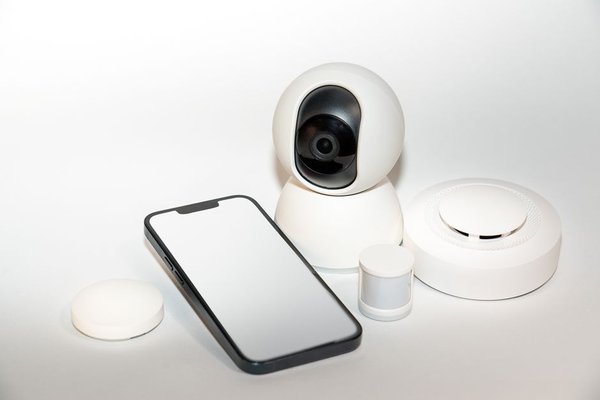
Smart baby monitors now do far more than stream nursery video. Leading models can recognise cries, build sleep reports and track movement. Yet the most expensive monitor is not automatically the best fit.
The right choice depends on what you want to know at 2 a.m. Do you need a clear picture, sleep patterns or health readings? Compare those needs before choosing the longest feature list.
Which smart baby monitor is worth it?
Nanit is the strongest all-round option for an overhead crib view and detailed sleep tracking without an electronic sensor attached to the baby. Owlet Dream Duo suits families who specifically value pulse rate and oxygen readings from a wearable sock. CuboAi Monitor 3 stands out for high-resolution video and covered-face, rollover and cry alerts. The eufy Smart Sock S340 combines a movable camera with wearable wellness tracking.
Nanit or CuboAi offers the best balance for many households. Owlet makes more sense when health readings are decisive, while Eufy suits parents who want pan-and-tilt flexibility.
What to compare before buying
Video quality and camera position
Resolution matters, but placement matters just as much. Nanit uses a 1080p overhead view. CuboAi Monitor 3 offers 2.5K QHD video, while Owlet Dream Sight and eufy S340 provide 2K-class video. A sharper image helps when zooming, but an overhead angle may be more useful than extra pixels when checking sleeping position.
A fixed overhead video baby monitor suits a dedicated nursery. A pan-and-tilt model is easier to reuse in a playroom or toddler bedroom. Check the mount, cable route and crib layout before ordering.
Sleep tracking and alerts
A sleep tracking monitor should reduce guesswork, not create another dashboard to study. Nanit analyses sleep from the camera and can monitor breathing motion through patterned Breathing Wear. CuboAi focuses on sleep reports and visual alerts. Owlet’s Dream Sock tracks sleep alongside pulse rate and oxygen saturation. Eufy’s wearable records sleep patterns and selected wellness readings.
Some advanced histories, coaching tools and saved clips require a subscription after a trial. Compare the likely two-year cost, not only the purchase price.
Privacy and reliability
Every wifi baby monitor should use a password-protected network, a unique password and two-factor authentication. Nanit and Owlet advertise 256-bit encryption, while CuboAi encrypts video and lets parents review who is online.
App viewing depends on the internet and the company’s cloud service. Families with unreliable broadband may prefer a monitor with a local parent unit, even if it has fewer smart features.
How the leading options compare
Nanit Smart Baby Monitor System: best for camera-led sleep insights
Nanit provides 1080p video, night vision, two-way audio, sound and motion notifications, plus temperature and humidity tracking. Its overhead position creates a useful full-crib view. Sleep analytics and longer video history are tied to Nanit Insights plans, so budget for membership if reports are the main attraction.
Breathing motion monitoring uses compatible patterned clothing rather than a charged electronic sock. Full sleep analysis requires the correct wall or floor-stand position.
Owlet Dream Duo Gen 3: best for pulse and oxygen monitoring
Dream Duo combines the Dream Sock with a 2K Dream Sight camera. In the United States, the Dream Sock is FDA-cleared to display pulse rate and oxygen saturation and notify caregivers when readings move outside preset ranges. This makes Owlet different from ordinary camera-led products.
Owlet is a premium system and requires the baby to wear, charge and correctly fit the sock. Its readings should not replace medical care, direct observation or safe sleep practices.
CuboAi Monitor 3: best for visual alerts and video detail
CuboAi Monitor 3 combines 2.5K QHD video with covered-face, rollover, cry, cough, temperature and humidity alerts. Its overhead design is useful for parents who want the camera to identify visible changes in the crib. It also includes sleep analytics and multi-day playback, with one year of premium service included at purchase.
CuboAi can offer strong value when priced below full Nanit and Owlet bundles. Many detections rely on Wi-Fi and cloud analysis, so a stable connection is essential.
eufy Smart Sock S340: best for pan-and-tilt flexibility
The eufy S340 pairs a 2K pan-and-tilt camera with a wearable sock that tracks sleep, heart rate and blood oxygen. Buyers should verify which health claims are authorised in their country and treat wellness readings as supplementary unless the device has appropriate medical authorisation.
Nanit vs Owlet: the simplest way to decide
The Nanit vs Owlet decision is camera-led insights versus wearable health readings. Choose Nanit for a strong crib view, sleep trends and breathing-motion tracking without an electronic sensor touching the baby. Choose Owlet when pulse rate and oxygen saturation are features you genuinely plan to use.
Consider a typical night: your baby wakes twice, makes noise once and needs one feeding. Nanit is better at showing the sleep timeline and crib activity. Owlet adds live pulse and oxygen context. Neither can explain why the baby woke, and neither removes the need to check a baby who seems unwell.
Which monitor should go on your registry?
Choose Nanit for a polished sleep-focused nursery system. Choose Owlet Dream Duo for authorised pulse and oxygen monitoring in the US. Choose CuboAi for sharp video and proactive visual alerts. Choose eufy when remote camera movement matters more than an overhead setup.
Also review a baby registry checklist, a safe sleep nursery guide and a newborn bedtime routine. Those choices will affect daily life more than one extra app feature.
A necessary safety reminder
No consumer monitor has been authorised to prevent SIDS. A smart monitor is an extra set of digital eyes and ears, not a substitute for supervision or safer sleep habits. Place babies on their backs on a firm, flat sleep surface, and keep soft bedding, pillows, bumpers and toys out of the sleep area. Contact a healthcare professional about concerning breathing, colour, feeding, fever or unusual behaviour rather than waiting for an app alert.
Frequently asked questions
Do smart baby monitors work without Wi-Fi?
Most app-based models need Wi-Fi for remote viewing, cloud analysis and notifications. A non-Wi-Fi monitor with a dedicated screen is often more dependable for travel or unreliable internet.
Is a subscription necessary?
Usually not for basic live video, but advanced sleep reports, longer history, saved clips or coaching may require a paid plan. Check what remains after the trial.
Can a smart monitor prevent SIDS?
No. The FDA and paediatric guidance state that baby monitors should not be relied on to prevent SIDS. Follow evidence-based safe sleep practices regardless of the monitor.
Is higher video resolution always better?
No. Night vision, camera angle, app stability and alert speed can matter more than the difference between 1080p and 2K. A well-positioned 1080p camera may provide a more useful crib view.
Final verdict
For most first-time parents, Nanit offers the best blend of useful sleep information and everyday monitoring. CuboAi is the strongest alternative for video clarity and visual alerts. Owlet is worth the higher cost when FDA-cleared pulse and oxygen readings are central to the purchase. The best smart baby monitor is the one whose alerts you trust, whose routine you can maintain and whose ongoing cost remains reasonable after the newborn stage.