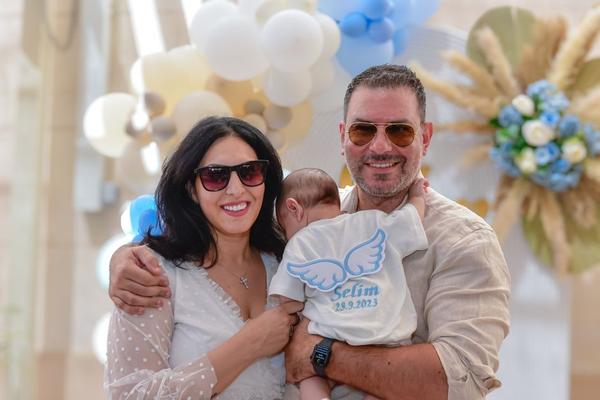
A baby’s name can carry a family story long before the child can tell one. In some households, grandparents help choose it. In others, a ceremony introduces the newborn to the community, or a name recalls the day of birth. Baby naming traditions reveal something popularity charts cannot: a name may be a welcome, a blessing, or a family connection.
No entire country or religion names its children in exactly the same way. Practices differ by community, region, generation, and household. Those differences make cultural naming traditions worth understanding rather than treating them as fixed rules.
When a Name Becomes a Welcome
Some naming customs separate the moment parents choose a name from the moment they announce it. A private decision becomes public when relatives gather, offer blessings, or recognize the child’s place in the family. The ceremony may happen days or weeks after birth, and not every family observes one.
Ghana: Outdooring and Akan Day Names
In several Ghanaian communities, an outdooring ceremony traditionally presents a newborn to relatives and neighbors, often on the eighth day. Details vary among ethnic groups and families. The gathering can include prayers, blessings, and the announcement of the child’s name.
Among Akan communities, a child may also receive a name associated with the weekday of birth. Kofi is a familiar name for a boy born on Friday; Ama is associated with a girl born on Saturday. Spellings and forms vary. Such names connect personal identity to a particular moment, sometimes alongside other given or family names.
Hindu Families: The Namakarana Ceremony
Namakarana, or Namkaran, is a Hindu naming rite that welcomes a child through the formal giving of a name. Some traditions place it around the eleventh or twelfth day after birth, while others follow different regional schedules or select an auspicious date.
Parents may consult relatives, religious advisers, or an astrological birth chart when considering names. Prayers, blessings, and family gatherings can be part of the occasion. There is no universal Hindu checklist: languages, customs, and preferences shape how the rite is celebrated.
Jewish Families: Names Spoken in Community
In many Jewish communities, a baby boy’s Hebrew name is traditionally announced at his brit milah, a ceremony usually held on the eighth day when medically appropriate. Girls may receive their Hebrew names during a synagogue Torah-reading service or at a welcoming ceremony called a simchat bat. Timing and forms vary.
A child may have a Hebrew name for religious life and another name used in everyday settings. Naming therefore connects the baby to relatives, prayer, language, and community membership.
Muslim Families: A Name and an Aqiqah
Many Muslim families choose names for their positive meanings or associations with respected figures in Islamic tradition. An aqiqah, a religious observance expressing gratitude for a child’s birth, may be held around the seventh day and can include sharing food with others.
Naming on the seventh day is a recognized practice, but the name may be given earlier, and customs vary across Muslim communities. An aqiqah does not mean every baby must wait seven days to receive a name.
How Family History Shapes a Child’s Name
Baby naming ceremonies are only part of the story. In many families, the more significant question is whose memory, language, or family position the name preserves.
Chinese Generation Names
In some Chinese families, relatives of the same generation traditionally share a character in their given names. A family poem or established sequence may guide the choice. The shared element can signal a connection between siblings or cousins even when their complete names differ.
This is a historical family naming tradition, not a rule followed by every Chinese household today. Some families continue it, others adapt it, and many prefer individual names.
Different Ways to Honor Relatives
Jewish naming customs also show how remembrance varies. Ashkenazi families often name children in honor of deceased relatives, while Sephardi families may name children after living relatives. Neither approach represents every Jewish family, and parents may draw inspiration from scripture, language, or personal experience instead.
Elsewhere, a parent’s surname, an ancestral place, or a beloved elder’s given name may shape the choice. The meaning lies as much in the relationship as in the name itself.
Why Timing, Language, and Meaning Matter
A name may celebrate a birth date, express a hope, or preserve a language spoken by earlier generations. Those purposes can overlap. Even when two cultures use similar ceremonies, the reasons behind their choices may differ.
Translation can complicate things. A name may sound familiar in English while carrying a different pronunciation or meaning in its original language. Families sometimes keep one spelling for official documents and use a culturally familiar pronunciation at home. Exploring meaningful baby names starts with asking how the name is used by the people who know it.
Respecting Traditions in a Modern Family
Consider a hypothetical family with Akan and English-speaking relatives. They might choose an Akan day name as one part of the baby’s name and another given name for everyday use. Before deciding, they could check the child’s weekday of birth, ask relatives about the customary form and pronunciation, and make sure both names work on local documents.
That example suggests a practical approach for families combining traditions. Ask which customs relatives consider essential and which are optional. Confirm meanings with speakers of the relevant language rather than relying on a short online list. Discuss whether the ceremony, name choice, or both matter most. Finally, check spelling, surname order, and registration requirements where the child will live.
Parents can honor a tradition without copying every historical detail. A family might hold a small blessing, share the story behind a grandparent’s name, or record the reason for the choice in a letter to the child. A thoughtful decision is more valuable than performing a custom without understanding it. Families exploring family-inspired baby names or culturally meaningful baby names can start with these conversations.
Frequently Asked Questions
Do all cultures have baby naming ceremonies?
No. Formal baby naming ceremonies are meaningful in many communities, but others announce names informally or do not hold a separate ritual. Practices can differ within the same religious or ethnic group.
Why do some families wait before announcing a baby’s name?
Some traditions connect the announcement to a particular day, blessing, or welcoming rite. Other parents simply want time to decide or prefer privacy after the birth. The reason depends on the family.
Can a baby have more than one culturally significant name?
Yes. Children may have religious names, day names, inherited names, or names used in different languages. Families should check how their preferred combination will appear on official records.
Is it respectful to use a name from another culture?
Respect begins with learning its pronunciation, meaning, and context. Distinguish widely used personal names from names with particular religious, ceremonial, or community significance.
A Name That Carries a Story
Across cultures, naming is rarely just about finding a pleasant sound. It can announce a new life, honor a relationship, or carry a language forward. The most enduring baby naming traditions are the practices families understand, value, and pass on with care.