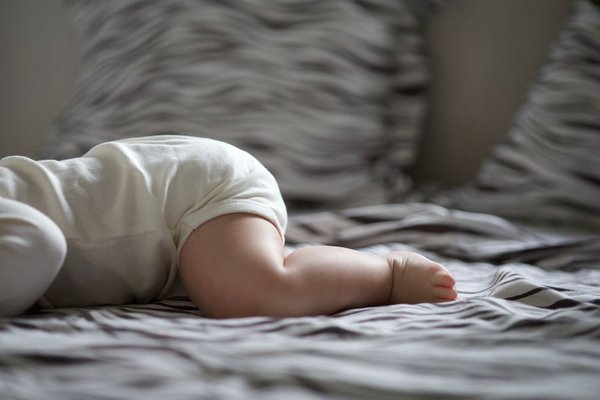
A calm-looking nursery is not automatically a safe place for a baby to sleep. The details that matter are easy to overlook: a mattress that fits tightly, an empty crib, a curtain cord hanging nearby, or a blanket added during a chilly night. A safe sleep environment checklist helps you examine the actual space your baby uses, not just the way the room looks.
These checks apply to naps and nighttime sleep throughout the first year. They reflect guidance from the American Academy of Pediatrics (AAP), Centers for Disease Control and Prevention (CDC), and US Consumer Product Safety Commission (CPSC). No setup eliminates every risk, but consistent choices can reduce the risk of sleep-related deaths and injuries.
Start With the Sleep Space Itself
Choose an approved crib, bassinet, or play yard
Use a product intended for infant sleep that meets current safety standards, such as a compliant crib, bassinet, bedside sleeper, or portable play yard. Check the manufacturer’s instructions, age and weight limits, assembly requirements, and recall notices. Never use a damaged crib, missing hardware, or an older drop-side model.
A baby nest, lounger, hammock, inclined sleeper, or adult bed is not a substitute for an approved infant sleep space. If a baby falls asleep in a swing, stroller, or car seat outside travel, transfer them to a suitable flat sleep surface as soon as practical.
Inspect the mattress and fitted sheet
The mattress should be firm, flat, noninclined, and made to fit the particular sleep product. It should not noticeably indent beneath your baby. Use a snug fitted sheet and no additional padding. Never prop up one end of the mattress to manage congestion or reflux.
For a safe crib setup, check mattress edges for gaps, loose fabric, tears, or shifting. Replace a poorly fitting mattress or sheet rather than trying to fill the space.
Keep the Entire Sleep Area Empty
Remove soft items and accessories
Look inside the crib before every sleep. It should contain your baby on the mattress with only a fitted sheet beneath them. Remove pillows, comforters, loose blankets, stuffed toys, positioners, sleep wedges, bumper pads, and decorative cushions. Mesh bumpers are not a recommended workaround. Such objects can create suffocation, entrapment, or strangulation hazards.
Keep toys for supervised awake time elsewhere, even if an older sibling places a favorite stuffed animal beside the baby. A simple baby sleep environment is safer than a beautifully styled but crowded one.
Dress for warmth without loose bedding
Choose well-fitting sleep clothing or an appropriately sized, unweighted wearable blanket instead of loose bedding. Avoid weighted sleep sacks, weighted swaddles, and weighted blankets. AAP guidance suggests dressing a baby in no more than one additional layer compared with what an adult would comfortably wear in the same room.
Check for overheating by feeling the baby’s chest or back; sweating, flushed skin, or a hot chest can be warning signs. Do not place a hat on a sleeping baby indoors. A baby sleep clothing guide may help when adjusting layers between seasons.
Check the Room Around the Crib
Move cords and hanging objects away
Position the crib well away from window-blind cords, curtain ties, monitor wires, charging cables, and electrical cords. Secure cords completely out of reach, including as your baby learns to sit and stand. Keep shelves, decorations, lamps, and other objects from falling into the crib.
A baby who cannot reach a dangling cord today may reach it in a few months. Anchoring furniture and consulting a nursery babyproofing checklist can address hazards beyond the sleep space.
Share a room, not a sleep surface
The AAP recommends keeping your baby’s separate sleep space in your room, ideally for at least the first six months. Place it near enough for feeding without bringing adult bedding into the baby’s space. Bed-sharing increases sleep-related risks, and sleeping with a baby on a sofa or armchair is especially dangerous.
If you feed or soothe your baby in bed, return them to their own sleep space before you go to sleep.
Pay attention to air and temperature
Keep the room comfortable enough to avoid overheating; no single thermostat setting suits every home. Prevent exposure to cigarette smoke and vaping aerosols. Position heaters, fans, humidifiers, and their cords so your baby cannot reach them and nothing can topple into the sleep space.
Use the Same Routine for Every Nap and Night
Always place your baby on their back to begin sleep, even for a short nap. Side and stomach placement are not recommended. Once a baby can independently roll both ways, you do not need to continually turn them back, but still put them down on their back and keep the crib empty.
If you swaddle, stop as soon as your baby shows signs of trying to roll. Never use a weighted swaddle. Do not depend on home breathing monitors or products advertised as preventing sudden infant death syndrome (SIDS); these do not replace recommended sleep practices.
Think of infant sleep safety as a ten-second doorway check: baby on back, firm flat mattress, fitted sheet, empty crib, cords out of reach, and appropriate clothing. Repeat the check whenever someone else puts your baby down. A written safe sleep checklist near the changing area can help babysitters follow the same approach.
Recheck the Setup as Your Baby Grows
A bassinet suitable for a newborn may no longer be appropriate once the baby reaches its stated limit or starts pushing up or rolling, depending on the manufacturer’s instructions. Revisit mattress height, nearby objects, and cords as mobility increases. Follow crib instructions for lowering the mattress.
For example, after moving a crib to make room for a dresser, check the new position from floor level. A previously hidden monitor cable may now hang within reach.
Frequently Asked Questions
What should be inside a newborn’s crib?
Only a firm, flat, properly fitted mattress covered with a snug fitted sheet, plus the baby. Keep pillows, blankets, toys, bumpers, and positioners out. Dress your baby appropriately rather than adding loose bedding.
Is a bedside bassinet safer than sharing a bed?
A compliant bassinet beside an adult bed provides a separate infant sleep surface while keeping your baby close. Room-sharing on a separate surface is recommended; sharing the same mattress is not.
Can a baby sleep in a car seat after arriving home?
Car seats are designed for travel, not routine sleep outside a vehicle. If your baby falls asleep during a trip, move them to an approved firm, flat sleep surface once you reach a safe stopping point or destination.
When can I add a pillow or blanket?
Keep pillows and loose bedding out of the sleep area throughout the first year. Ask your pediatrician about specific developmental or medical needs before changing the setup.
A Safer Sleep Space Is a Repeatable Habit
The best safe sleep environment checklist is one you can apply when tired, distracted, or away from home. Choose a standards-compliant product, maintain a firm and empty sleep surface, manage temperature and nearby hazards, and place your baby on their back for every sleep. Recheck the arrangement after room changes and developmental milestones. Simple, consistent decisions matter more than nursery accessories.