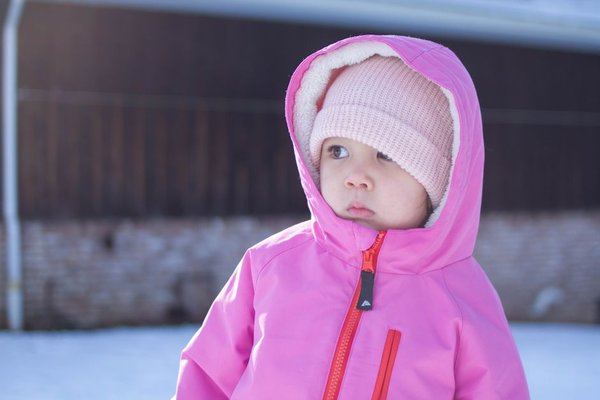
Choosing baby clothes for cold weather is less about buying the thickest outfit and more about finding pieces that work together. A soft bodysuit, a comfortable midlayer and a removable outer layer can keep a baby warm without making every change in temperature a complete wardrobe change.
The most useful winter infant clothing is easy to layer, check and remove. Here is how to build a practical wardrobe for chilly days without overbundling.
Begin With a Soft Base Layer
A long-sleeved bodysuit is the foundation of many baby cold weather outfits. Look for smooth seams, a comfortable neckline and snaps that make diaper changes straightforward. Cotton works well for everyday wear; a soft, lightweight wool blend may suit some babies if it does not irritate their skin. Avoid scratchy fabrics and tight cuffs.
Footed sleepers offer another option, covering the torso, legs and feet in one piece. Choose a fit that allows natural movement and keeps fabric away from the face. Buy enough base layers for spills and leaks, but remember that babies can outgrow a whole collection surprisingly quickly.
Choose a Midlayer That Comes Off Easily
A fine-knit cardigan, soft sweatshirt or lightweight fleece can add warmth over a bodysuit. Front-opening styles are particularly useful when you need to remove a layer without pulling it over your baby’s head.
For warm baby layers, flexibility matters more than thickness. Two lighter garments make it easier to adjust clothing after moving from cold air into a heated shop. Check that the combined pieces do not bunch under the arms or squeeze the diaper area.
Match Outerwear to the Actual Weather
A winter jacket should suit the conditions, not simply the calendar. On a dry, mild afternoon, a light jacket may be enough. In damp or windy weather, a weather-resistant outer layer helps protect the clothes beneath it. Keep hoods and collars clear of the face.
Thick padded suits may work during supervised outdoor time, but they should not go beneath a car-seat harness. Choose outerwear with easy fastenings, then treat heavy padding as something to remove before buckling your baby into the car.
Protect Feet, Hands and Ears
For nonwalking babies, warm socks or soft booties are generally more practical than stiff shoes. Check for cramped toes and elastic that leaves deep marks. Soft mittens can protect hands in cold wind; a spare dry pair is useful because damp fabric quickly becomes uncomfortable.
Choose a well-fitting outdoor hat that covers the ears. Avoid cords, loose decorations and anything that could obstruct breathing. Remove the hat after entering a warm room or car, and never use a hat for routine infant sleep.
Dress for the Whole Journey
Imagine a morning trip that starts in a heated house, continues along a chilly sidewalk and ends inside a supermarket. A long-sleeved bodysuit, footed trousers, cardigan and removable jacket create options. Add a hat and mittens outdoors. Once indoors, remove the hat and jacket, then check whether the cardigan is still needed.
That is the real advantage of choosing adaptable cold weather baby clothes. You are prepared for changing surroundings rather than one fixed temperature. For a broader routine, a winter baby dressing guide can complement this clothing checklist.
A Different Rule for Car Seats
Use thin, close-fitting layers beneath a car-seat harness. Bulky coats and snowsuits can compress during a crash, creating dangerous slack in the straps. Secure the harness correctly first, then add a blanket over the fastened straps if necessary, keeping the baby’s face uncovered. Never put thick padding between the baby and the harness or underneath the baby.
Check Comfort Without Relying on Cold Hands
A familiar starting point is approximately one more layer than a comfortable adult would wear. It is a guideline, not a rigid formula: wind, rain, indoor heating and a baby’s age all affect what feels comfortable. Babies born prematurely or with medical needs may require individual advice from their clinician.
Feel your baby’s chest or the back of the neck. Cool hands and feet alone do not necessarily mean the baby is too cold. A hot chest, sweating or flushed skin suggests you should remove a layer and reassess.
If your baby seems unusually cold, very sleepy, lethargic or unwell, move somewhere warm and seek prompt medical advice. Extremely cold or wet conditions may call for postponing an outing rather than adding yet another layer.
Keep Cold-Weather Outerwear Out of the Crib
Outdoor clothing and sleepwear serve different purposes. Hats, hoods, jackets and thick padded layers are not appropriate for infant sleep. Choose a suitable sleeper and, when needed, a correctly sized, nonweighted wearable blanket or sleep sack according to its instructions.
Always place an infant on their back on a firm, flat sleep surface free from loose blankets, pillows and other soft items. A baby sleepwear safety guide is useful when comparing daytime clothing with nighttime options. Keeping babies warm must never mean covering their head or allowing them to overheat.
Build a Small, Practical Winter Wardrobe
You do not need matching sets for every outing. A few bodysuits or sleepers, two easy-on midlayers, several pairs of socks, a hat, mittens and climate-appropriate outerwear will cover many routines. Spare dry base layers are often more valuable than a second elaborate coat.
Before buying the next size, check shoulder fit, crotch snaps and toe room. A newborn clothing size guide can help you find pieces that fit together without becoming restrictive. Examine closures and remove clothing with loose buttons or damaged decorations.
Frequently Asked Questions
How many layers should a baby wear in cold weather?
About one more layer than a comfortably dressed adult is a useful starting point. Check your baby’s chest or back of the neck and adjust lightweight layers as conditions change.
Is fleece a good choice for winter infant clothing?
Lightweight fleece can be a convenient, removable midlayer. Avoid bulky versions that interfere with car-seat harness fit, and remove fleece if your baby gets too warm.
Should babies wear hats indoors during winter?
Generally, no. Take off outdoor hats when entering a warm indoor area, and do not put a hat on a baby for routine sleep. Suitable clothing and a comfortable environment are preferable.
Can a baby wear a snowsuit in a car seat?
Not a bulky, padded snowsuit beneath the harness. Use thin, snug layers, fasten the harness correctly and provide any extra warmth over the secured straps without covering the face.
Make Layering Easy to Adjust
The best baby clothes for cold weather are not necessarily the heaviest or most expensive. They are comfortable pieces that fit well, protect exposed skin outdoors and come off easily when temperatures change. Start with a soft base, add a manageable midlayer and choose outerwear for the weather. With a few sensible wardrobe pieces and regular comfort checks, winter outings become simpler and safer.