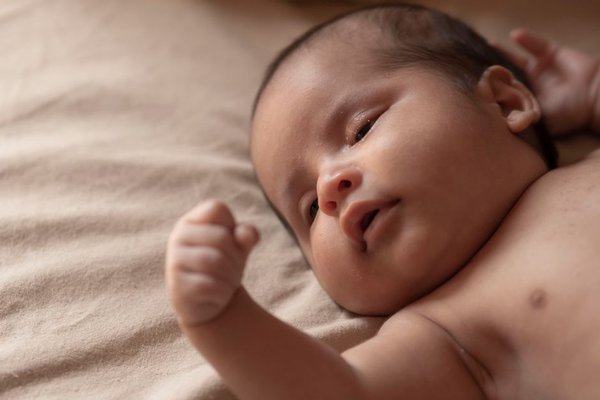
A newborn’s skin can change dramatically from one day to the next. Tiny white bumps appear on the nose, red blotches spread across the chest, or pimples show up just when parents thought the skin was clearing. Most common newborn rashes are harmless and temporary, but a few patterns need prompt medical attention. The useful question is not simply “What is this rash?” but “How is my baby acting, and are there warning signs alongside the skin change?”
Newborn skin is thinner and more reactive than adult skin, so heat, friction, blocked pores and normal changes after birth can all create visible marks. When you are unsure, especially during the first month, a pediatrician can examine the baby rather than relying on appearance alone.
Erythema Toxicum: A Common Early Rash
Erythema toxicum usually appears in the first few days after birth as red or darker patches with small pale or yellow-white bumps in the center. It can come and go on the face, chest, back, arms and legs while the baby otherwise seems well.
Despite the alarming name, it is not an infection and does not need treatment. It generally fades on its own. Avoid squeezing the bumps or applying medicated creams unless a clinician recommends one. Because blister-like lesions can also signal infection, ask for medical advice if the appearance is unclear.
Milia: Tiny White Bumps on the Face
Milia are pinhead-sized white or yellowish bumps commonly seen on the nose, cheeks, chin or forehead. They are tiny keratin-filled cysts beneath the skin, not acne and not an infection. Many babies have them from birth.
The best treatment is usually no treatment. Milia normally disappear as the skin renews itself. Do not pick them, scrub them or apply acne products.
Baby Acne: Pimples That Often Start After Birth
Baby acne, also called neonatal acne, commonly develops during the first several weeks of life. It can look like small red bumps or pimples on the cheeks, nose, forehead, scalp or upper body. Newborn acne generally clears without scarring and usually does not need medicine.
Wash the face gently with lukewarm water and a mild fragrance-free cleanser if needed, then pat it dry. Avoid adult acne treatments, harsh soaps and oily products. Acne that first appears after about six weeks may be classified differently and deserves a clinician’s review, particularly if severe or persistent.
Heat Rash: Small Bumps in Warm Areas
Heat rash, or miliaria, happens when sweat ducts become blocked. Babies are particularly prone to it. The rash often appears as tiny pink, red or skin-colored bumps on the neck, chest, back, skin folds or areas covered by clothing. It may become more noticeable after a warm nap, a long car-seat journey or too many layers.
The practical response is cooling rather than medication. Move the baby to a comfortable environment, remove unnecessary layers and use light clothing. Keep skin folds dry and avoid thick ointments over a heat rash because they can trap more heat.
What About Eczema in Babies?
Eczema in babies causes dry, itchy, inflamed skin and often affects the cheeks and scalp in infancy. It usually begins later than the harmless rashes seen in the first days of life, commonly from around two months onward, although timing varies. On darker skin, inflamed areas may appear brown, purple, gray or darker than surrounding skin rather than bright red.
If eczema is suspected, use lukewarm baths, fragrance-free cleansers and a thick fragrance-free moisturizer soon after bathing. Prescription treatment may be needed for inflammation, so do not start steroid creams on a newborn without guidance from a health professional.
Diaper-Area Irritation Is Common Too
Moisture, stool, urine and friction can irritate skin under a diaper. A simple irritant rash is often red or sore where the diaper touches the skin and may improve with frequent changes, gentle cleaning, air-drying and a barrier ointment.
Some diaper rashes are caused or complicated by yeast or bacteria and need different treatment. Contact a clinician if the rash is severe, has blisters or open sores, spreads beyond the diaper area, lasts despite careful home care, or comes with fever or illness.
When a Newborn Rash Needs Medical Attention
The baby’s overall condition matters more than how dramatic a rash looks. Seek prompt medical advice if a newborn seems unusually sleepy, difficult to wake, weak, feeds poorly, develops spreading redness, has pus-filled sores, or has clusters of fluid-filled blisters. Blistering in a newborn can be associated with serious infections, including herpes simplex, and should not simply be watched at home.
A temperature of 100.4°F (38°C) or higher in a baby younger than three months needs urgent medical evaluation. Do not assume a fever is caused by a harmless rash. A purple, blood-colored or non-blanching rash that does not fade when pressed, especially with illness, also requires urgent assessment.
Call emergency services if the baby has trouble breathing, becomes blue or very pale, is unresponsive, has a seizure, or develops sudden swelling of the lips or tongue.
A Simple Way to Monitor a Rash at Home
If your baby is well and the rash looks mild, take one clear photo in natural light and note when it appeared. Check temperature if the baby feels unusually warm. Watch feeding, wet diapers, alertness and whether the rash is spreading, blistering or becoming painful.
For example, a few white milia on the nose of a feeding, alert newborn are very different from a rapidly spreading rash in a sleepy baby with a fever. That broader picture often determines whether a skin change can wait for a routine appointment or needs urgent care.
Frequently Asked Questions
Should I put lotion on every newborn rash?
No. Milia, baby acne and erythema toxicum usually need no treatment. Fragrance-free moisturizer can help dry skin or eczema, but oily or medicated products may worsen some rashes. Use products suited to the specific problem.
Can breast milk treat baby acne or a newborn rash?
There is not enough reliable evidence to recommend breast milk as a treatment for newborn rashes. Gentle skin care and time are appropriate for many harmless conditions, while suspected infection or eczema should be assessed properly.
How long does baby acne last?
Neonatal acne often clears on its own over weeks to a few months. If acne begins after six weeks, becomes severe, scars, or does not improve, ask a pediatrician or dermatologist to confirm the diagnosis.
When should I call the doctor about a newborn rash?
Call promptly for fever, blisters, pus, spreading redness, unusual sleepiness, poor feeding, pain, a purple or non-blanching rash, or any rash in a newborn who looks unwell. If you are unsure during the first month, seeking medical advice early is reasonable.
Look at the Baby, Not Just the Rash
Most common newborn rashes are part of normal early skin development and disappear without special treatment. Milia, erythema toxicum, baby acne and heat rash can look striking while the baby remains completely well. Gentle skin care and avoiding unnecessary products are usually enough. Fever, blistering, rapidly spreading changes or a baby who seems unwell are the signs that should move the focus from reassurance to medical assessment.