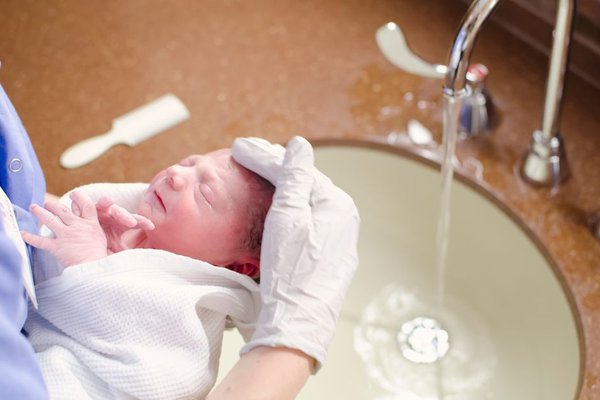
The first baths at home can feel surprisingly high-stakes. Your baby is tiny, the umbilical cord stump is still healing, and you may wonder how to get them clean without soaking their belly. A newborn sponge bath is designed for this short stage. Instead of placing your baby in a tub, you clean one small area at a time with a warm, damp washcloth while the rest of the body stays covered.
Before the cord falls off, the goal is gentle first weeks hygiene rather than a daily bath routine. Newborns usually do not need a full bath every day. Cleaning the face, neck folds, hands, and diaper area as needed, plus a sponge bath a few times a week, is generally enough unless your baby’s healthcare professional advises otherwise.
Why Sponge Baths Are Recommended Before the Cord Falls Off
The umbilical cord stump gradually dries, shrivels, and separates after birth, commonly within the first couple of weeks, although timing varies. Pediatric guidance generally recommends sponge baths during this period so the stump can stay clean and as dry as practical. Once it has fallen off and the belly button area has healed, you can usually move on to a shallow baby bath.
If the stump gets a little wet, gently pat it dry. Do not scrub, pull, or try to speed up separation. Folding the front of the diaper below the stump can also reduce rubbing and help keep the area exposed to air.
What You Need for a Newborn Washcloth Bath
Set up everything before you undress your baby: a warm room, flat secure surface, soft towel or changing mat, basin of comfortably warm water, one or two washcloths, clean diaper, and fresh clothes. A mild fragrance-free baby cleanser can be used sparingly if needed, but plain water is often enough.
Keep a hand on your baby whenever they are on an elevated surface. If something you need is across the room, take your baby with you rather than stepping away, even briefly.
How to Give a Newborn Sponge Bath Step by Step
Start With the Face
Keep your baby wrapped in a towel and expose only the head and face. Dampen a soft washcloth with warm water and wring it out well. Gently wipe the face. Use a clean area of the cloth for each eye, wiping from the inner corner outward. Clean around the ears, but never put cotton swabs into the ear canal.
Clean the Neck and Upper Body
Newborn neck folds can collect milk, spit-up, and lint. Uncover the chest and one arm at a time, wiping under the chin, around the neck, beneath the arms, and between the fingers. Pat each area dry before covering it again.
Think of the bath as a series of small zones. If your baby becomes fussy after the face, neck, and hands, pause for a cuddle and continue when they settle. A sponge bath newborn routine does not have to feel rushed.
Wash the Legs, Feet, and Skin Folds
Move down the body, uncovering one leg at a time. Wipe behind the knees, around the ankles, between the toes, and anywhere skin touches skin. Use light pressure and avoid repeated rubbing over dry or peeling areas.
Clean the Diaper Area Last
Use a fresh section of the washcloth and clean the diaper area last so bacteria from stool are not spread elsewhere. Wipe front to back for girls. For boys, clean the outside of the genitals without forcing back an uncircumcised foreskin. If your baby was recently circumcised, follow the care instructions given by the hospital or pediatrician.
How to Keep Your Baby Warm and Comfortable
Newborns can lose body heat quickly when undressed. Warm the room first, keep most of your baby’s body wrapped, and uncover only the area you are cleaning. The water should feel comfortably warm, not hot, on your wrist or elbow. Around body temperature is a practical target if you use a bath thermometer.
Talking softly can help too. Some babies dislike being uncovered more than they dislike washing. Keeping one hand resting gently on the chest or tummy between wipes can be reassuring.
How Often Does a Newborn Need a Sponge Bath?
Daily full baths are usually unnecessary. About two or three baths a week is often enough, while the face, neck, hands, and diaper area can be cleaned whenever they are soiled. Bathing too frequently, especially with cleanser, may dry the skin.
Choose a time when your baby is awake, settled, and not extremely hungry. Avoid starting immediately after a large feed, when handling and repositioning may be uncomfortable.
Caring for the Umbilical Cord During a Sponge Bath
Work around the cord stump rather than rubbing over it. If urine or stool gets on the area, clean it gently with water and pat it dry. Do not pull on the stump, even if it seems to be hanging by a small piece.
Contact your baby’s healthcare professional if you notice spreading redness, swelling, foul-smelling or pus-like discharge, persistent or worsening bleeding, fever, or if your baby seems unwell. A small spot of blood around the time the stump separates can occur, but active or continuing bleeding needs medical advice.
Common Sponge-Bath Mistakes to Avoid
Never leave your baby unattended on a bed, counter, changing table, or near water. Avoid a dripping-wet washcloth, very hot water, scrubbing delicate skin, or leaving the whole body uncovered. Heavily scented washes and multiple skincare products are also usually unnecessary in the first weeks.
As the cord heals, useful next topics include baby’s first tub bath, newborn skin care, and diaper-area care. These are natural next steps for building a simple everyday hygiene routine.
Frequently Asked Questions
Can I give my newborn a bath before the umbilical cord falls off?
You can clean your baby, but a sponge bath is generally recommended instead of placing the baby in a tub until the stump has fallen off and the area is healed. This makes it easier to avoid unnecessary soaking.
What if the cord gets wet during a sponge bath?
Gently pat it dry with a clean, soft cloth and let it air-dry. Accidental moisture is not usually an emergency. Avoid rubbing the stump or trying to remove it.
Do I need soap for a newborn sponge bath?
Not necessarily. Warm water is often enough for routine cleaning. If you use cleanser, choose a mild, fragrance-free product and use only a small amount.
When can I switch from sponge baths to a baby tub?
Once the umbilical cord stump has fallen off and the belly button area has healed, you can usually begin brief, shallow tub baths. If the area is still moist, bleeding, or irritated, ask your baby’s healthcare professional before switching.
A Gentle Routine for the First Weeks
A newborn sponge bath does not need to be elaborate. Gather supplies first, keep your baby warm, clean from the face downward, leave the diaper area until last, and treat the umbilical cord gently. In these early days, comfort and safety matter more than creating a perfect bath routine. After a few tries, the process usually becomes much easier for both parent and baby.