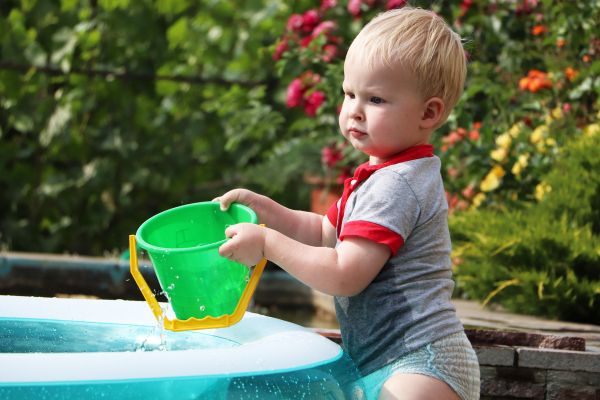
Water has a funny way of turning an ordinary moment into something memorable. A small splash in a bowl, a wet sponge squeezed between tiny fingers, or the soft trickle of water over little toes can completely capture a baby’s attention. Babies are natural explorers, and water gives them a sensory experience that feels fresh, soothing, and exciting all at once.
The best baby water play ideas are not complicated. They do not need a pool, a big outdoor setup, or a perfectly sunny day. In fact, many of the sweetest water play moments happen indoors at the kitchen floor, in the bath, or outside in a shaded corner with a shallow tray. What matters most is safety, closeness, and a gentle pace that follows the baby’s curiosity.
Why Water Play Is So Engaging for Babies
Water play speaks to a baby’s senses in a very direct way. It feels cool or warm. It moves when touched. It makes sound. It reflects light. It can be poured, splashed, squeezed, and swirled. For babies who are still learning how the world works, that is a lot of discovery packed into one simple material.
Through water play, babies begin to notice cause and effect. When they tap the surface, it ripples. When they squeeze a sponge, water drips out. When they kick during bath time, the water moves around them. These small reactions are fascinating because babies are learning that their movements can change what happens around them.
Water play can also be calming. Many babies relax when they feel warm water on their hands or feet. Others become lively and excited, especially if splashing is involved. Either response is natural. Like most baby activities, the goal is not to teach a lesson in a formal way. It is to create a safe little space for exploration.
Safety Comes Before Splashing
Before trying any baby water play ideas, safety needs to come first. Babies should always be within arm’s reach around water, even if the amount seems tiny. A shallow tray, bowl, or bath still requires full attention. It is best to prepare everything before starting so there is no need to step away.
Use only a small amount of water. For younger babies, a thin layer in a tray is enough. The water should feel comfortable to the touch, not hot or cold. If play happens on the floor, place a towel underneath to prevent slipping. If your baby is sitting, make sure they are stable and supported.
It is also worth keeping play short. Babies can become tired or overstimulated quickly. A few minutes of relaxed water play may be plenty, especially at first. Watch for signs such as fussing, turning away, rubbing eyes, or stiffening the body. When the baby seems done, the activity has done its job.
Warm Towel and Water Touch Play
For younger babies who are not yet sitting independently, water play can begin in the gentlest way. A warm, damp washcloth is often enough. Lay your baby on a soft towel and lightly touch the damp cloth to their hands, feet, arms, or legs.
This kind of play is quiet and simple. You can describe what is happening in a soft voice. “Warm water on your toes,” or “That feels soft,” gives your baby language connected to the experience. The baby may wiggle, watch closely, curl their toes, or reach for the cloth.
This activity works well before bath time or during a calm part of the day. It introduces water without too much stimulation. For babies who are unsure about splashing or bathing, gentle touch play can help water feel familiar and safe.
Shallow Tray Splashing
A shallow tray with a small amount of water can become a wonderful sensory station. Place the tray on a towel and let your baby sit nearby with support, or place it in front of them during tummy time if they are comfortable. The water level should be very low, just enough for hands to pat and splash.
Babies often enjoy tapping the surface of the water and watching it move. Some will slap it with excitement. Others may dip one hand carefully, pause, and look surprised. Both reactions are part of learning.
You can add a floating toy, a soft cloth, or a large baby-safe spoon to make the activity more interesting. Keep it simple, though. Too many objects can distract from the water itself. The real magic is in the movement, sound, and touch.
Sponge Squeezing for Little Hands
A soft sponge can turn water play into a hands-on discovery. Soak a clean sponge in water and let your baby touch, press, or squeeze it. Younger babies may simply grab it and feel the texture. Older babies may begin to notice that water comes out when they press harder.
This activity supports hand strength and coordination in a natural way. It also gives babies a clear example of cause and effect. Their hands do something, and the sponge responds.
Choose a sponge that is large enough not to be a choking hazard and soft enough for baby play. Stay close, as babies often bring objects to their mouth. If the sponge starts to break apart, replace it right away.
Bath Time Play Without Overdoing It
Bath time is already a familiar form of water play for many babies. Still, it does not need to become loud or busy to be enjoyable. Sometimes the simplest bath activities are the most engaging.
Let your baby feel water trickling from your hand. Gently pour water over their feet or let them kick while you smile and talk to them. A small cup can be used to pour water slowly, giving your baby a chance to watch the stream fall.
Bath toys can be fun, but they are not always necessary. A baby may be just as interested in the sound of water, the feel of bubbles, or the sight of droplets on their skin. Keep the atmosphere warm and relaxed. For some babies, too much splashing or too many toys can turn bath time from playful to overwhelming.
Floating and Sinking Exploration
For babies who can sit well with supervision, floating and sinking play can be quietly fascinating. Use a shallow container and place a few large, safe items in the water. A rubber bath toy may float. A clean metal spoon may sink. A plastic cup may bob around if it traps air.
At this age, babies are not learning the science in words. They are noticing differences. Some things stay on top. Some go down. Some make a plop. Some move away when pushed.
You can narrate naturally without turning it into a lesson. “This one floats,” or “That went down,” is enough. Babies absorb language through repeated, meaningful moments. Water makes those moments easy to create.
Pouring Games with Cups
Pouring is one of those activities that babies and toddlers can enjoy for a long time. For babies, it starts with watching. You pour water from one cup to another, and they follow the movement with their eyes. Later, they may try to grab the cup, tip it, or copy the motion.
Use lightweight cups that are easy to hold and safe for little hands. Pour slowly so your baby can track the stream. Let the water fall into a bowl, tray, or bath. The sound alone may be enough to make them smile.
As babies grow, pouring helps build coordination and focus. It also teaches patience in a very gentle way. Of course, spills are part of the process. A towel underneath keeps the mood easy and stress-free.
Outdoor Water Play in the Shade
On warm days, water play outdoors can feel especially refreshing. A shaded area, a towel, and a shallow basin are enough. Babies can dip their hands, splash their feet, or explore floating toys while enjoying fresh air.
Keep outdoor sessions short and comfortable. Babies can get warm quickly, even in the shade. Make sure the water stays clean, and avoid direct sun during the hottest part of the day. If the ground is slippery, use a stable mat or towel.
Outdoor water play does not have to look like a big activity. Even sitting with your baby while they pat water in a bowl can feel special. The breeze, light, and natural sounds add another layer to the experience.
Ice-Free Cool Water Play for Hot Days
For hot weather, cool water can be soothing, but it should still feel comfortable. Very cold water or ice can be too intense for babies, especially younger ones. Instead, use slightly cool water and let your baby explore slowly.
A damp cloth on the feet, a small splash tray, or a cool sponge can offer relief without overwhelming the senses. If your baby seems startled, switch back to warmer water or pause the activity.
The goal is comfort, not shock. Babies experience temperature changes strongly, so gentle adjustments work best.
Water Painting for Older Babies
Older babies who can sit steadily may enjoy water painting. This is one of the easiest baby water play ideas because it uses only water and a surface that changes when wet. A dark tray, a chalkboard-style mat, or even a clean patio stone outside can work.
Give your baby a large baby-safe brush, a damp sponge, or simply let them use their hands. As the water touches the surface, it leaves marks that slowly disappear. Babies may not understand the disappearing part at first, but they usually enjoy the motion and the feeling.
This kind of play feels creative without any mess from paint. It also gives babies a chance to move their arms, watch patterns appear, and experiment freely.
Reading and Singing Around Water Play
Water play becomes even richer when paired with language. You can sing a bath song, use a gentle rhyme, or read a waterproof baby book during bath time. Babies love repetition, and familiar words can make water feel even more comforting.
Simple phrases work beautifully. “Splash, splash,” “drip, drop,” and “where did the water go?” can become part of the routine. Your baby may begin to anticipate certain words or sounds. They might kick, smile, or babble in response.
These little exchanges support early communication. They also turn water play into a shared experience rather than just a sensory activity.
Knowing When to Stop
Water play can be exciting, but babies do not always know how to slow themselves down. A baby who was happy a minute ago may suddenly become tired or fussy. That does not mean the activity went wrong. It simply means they have had enough.
End on a calm note when possible. Wrap your baby in a soft towel, offer cuddles, and transition gently into the next part of the day. This helps water play feel safe from beginning to end.
Over time, your baby may enjoy longer sessions. Or they may always prefer short, quiet water moments. Both are perfectly fine. The best play follows the baby, not a schedule.
Conclusion
Water play gives babies a beautiful mix of movement, touch, sound, and connection. It can be lively and splashy, or it can be slow and soothing. From a damp washcloth to a shallow tray, from bath time pouring to outdoor shade play, the simplest activities often bring the most wonder.
The best baby water play ideas are safe, gentle, and easy to adapt. They invite babies to explore at their own pace while giving caregivers a chance to be close, responsive, and present. In the end, water play is not really about making a big activity out of the day. It is about noticing how much joy can live in one small splash.