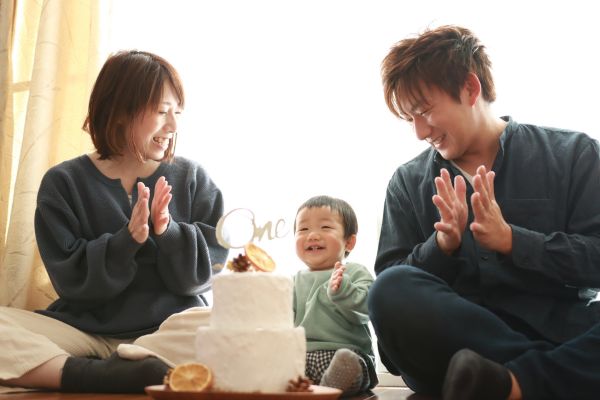
A baby’s first birthday is often celebrated with cake, balloons, photographs, and a room full of people wondering how an entire year passed so quickly. The day feels joyful, but there is usually a quiet emotional layer beneath it too. Parents are not only celebrating the child their baby has become. They are also saying goodbye to the tiny newborn stage, the sleepy cuddles, the first smiles, and all those early milestones that once felt brand new.
A baby’s first birthday time capsule offers a thoughtful way to preserve that moment. It gathers small objects, written memories, photographs, and pieces of everyday life into one place, ready to be opened years later. Unlike a standard memory box, a time capsule is created with a future date in mind. It becomes a message from one chapter of family life to another.
The beauty of the idea is that it can be as simple or detailed as you like. What matters most is choosing items that capture what life felt like when your baby turned one.
Choosing When the Time Capsule Will Be Opened
Before deciding what to place inside, think about when your child will open the capsule. Some families choose a milestone birthday such as the tenth, sixteenth, eighteenth, or twenty-first. Others wait until graduation, marriage, or the birth of the child’s own first baby.
There is no perfect date. A shorter wait allows children to enjoy the experience while they are still young, while a longer wait can make the contents feel more surprising and emotional.
Opening the capsule at age eighteen is a popular choice because it creates a connection between two major transitions. The first birthday marks the end of infancy, while the eighteenth often represents the beginning of adulthood. Still, ten years can also be long enough for ordinary items to feel fascinatingly old.
Write the intended opening date clearly on the outside of the container. It is easy to assume everyone will remember, but family memories can become blurry over time.
Selecting a Container That Will Last
The container does not need to be expensive or elaborate, but it should be sturdy enough to protect the contents. A metal box, wooden keepsake chest, strong plastic storage container, or archival-quality document box can all work well.
Avoid using a thin cardboard gift box if the capsule will remain sealed for many years. Humidity, insects, and accidental spills can damage fragile items. Photographs and letters should ideally be placed in acid-free envelopes or protective sleeves before being stored.
The size of the container will depend on what you plan to include. A compact box encourages careful selection, while a larger chest leaves space for clothing, toys, and thicker photo albums.
It can be tempting to decorate the container heavily, but remember that some adhesives, paints, and decorative materials may deteriorate. A simple label with the baby’s name, first birthday, and opening date is usually enough.
Writing a Letter to Your Future Child
A personal letter is often the heart of a baby’s first birthday time capsule. It gives parents a chance to describe the child at an age they will never remember for themselves.
Write about your baby’s personality, favorite foods, funny expressions, sleeping habits, and new skills. Mention the way they react to music, the toy they carry everywhere, or the sound of their laugh. These small details may seem ordinary now, but they are exactly the things that become difficult to recall years later.
You can also describe your feelings as a parent during the first year. Be honest about the joy, exhaustion, uncertainty, and love that shaped those months. The letter does not need to be perfectly written. A natural voice will feel more meaningful in the future than something formal or overly polished.
Parents can write separate letters, and older siblings or grandparents may wish to contribute their own messages. Each person will remember the baby in a slightly different way.
Capturing the World on the First Birthday
A time capsule becomes more interesting when it preserves not only the child but also the world surrounding them. Include a few details about everyday life during the year of the first birthday.
A newspaper front page, magazine clipping, printed news summary, or handwritten list of current events can provide valuable context. You might note the price of common groceries, fuel, postage, or a family meal. Include the names of popular songs, television programs, films, books, or public figures.
Technology changes especially quickly, so it can be fun to describe the phones, apps, household devices, and social platforms people were using. What feels completely normal today may appear surprisingly outdated by the time the capsule is opened.
Try to balance major world events with lighter cultural details. A time capsule should reflect the atmosphere of the period without becoming too serious or overwhelming.
Adding Photographs That Tell a Story
Photographs are an essential part of most time capsules, but choosing a small, meaningful collection is better than filling the box with hundreds of similar images.
Include a newborn photograph, a family portrait, monthly milestone pictures, and a photograph from the first birthday celebration. Candid images can be especially valuable. A picture of the baby eating breakfast, playing on the floor, or sleeping in a familiar position may reveal more about daily life than a formal portrait.
Add photographs of the home, nursery, favorite park, family car, pets, and close relatives. These surroundings may change long before the capsule is opened.
Write names, dates, and brief descriptions on the back using a photo-safe pen. Digital files can lose context when they are separated from devices or accounts, while a printed photograph with a handwritten note tells its own complete story.
Preserving Small Pieces of Babyhood
The first year is filled with objects that quickly become too small or are no longer needed. A favorite bodysuit, tiny pair of socks, hospital bracelet, first shoes, or birthday bib can make the capsule feel deeply personal.
You might include a copy of the birth announcement, a lock of hair from the first haircut, a handprint, or a footprint. A small toy, pacifier, spoon, or board book can also represent the baby’s routines and preferences.
Choose objects with emotional meaning rather than saving everything. The goal is to create a carefully edited picture of the first year, not store every possession the baby used.
Make sure all fabric items are clean and completely dry before packing them. Food, liquid-filled objects, batteries, and anything likely to leak or decay should not be placed inside.
Inviting Birthday Guests to Contribute
The first birthday party offers a natural opportunity to involve friends and relatives. Guests can write short messages, predictions, wishes, or pieces of advice for the child to read later.
Instead of asking for long letters, provide simple prompts. People may share what they hope the child experiences, describe a quality they already notice, or guess what the baby will be interested in as they grow.
These messages often become especially precious because family relationships change over time. Some contributors may live far away in the future, while others may no longer be present when the capsule is opened.
Allow guests to write freely rather than correcting spelling or trying to make every message sound polished. Handwriting, crossed-out words, and personal expressions add character to the collection.
Recording the Baby’s First-Year Favorites
At twelve months old, babies may not be able to explain their preferences, but they certainly have them. Recording these favorites creates a charming snapshot of their developing personality.
Describe the foods they enjoy, the songs that calm them, the games that make them laugh, and the people they become excited to see. Mention their favorite book, toy, blanket, animal, or bedtime routine.
You can also record basic measurements such as height, weight, clothing size, shoe size, and the number of teeth they have. Note the words or sounds they are making and the skills they have recently learned.
Do not worry about whether every detail sounds important. The ordinary details are often the most enjoyable to rediscover later.
Including Digital Memories Carefully
Many modern family memories exist only on phones, cloud accounts, and social media. Videos of first steps, voice recordings, and large photo collections may be difficult to print, so some parents include them on a storage device.
Digital storage can be useful, but it should not be the only method of preservation. File formats, connectors, and devices can become obsolete or damaged. A drive that works today may not be readable fifteen years from now.
Include printed copies of the most important photographs and written transcripts or descriptions of meaningful videos. You can also keep duplicate digital files in more than one secure location and transfer them to newer storage systems over time.
If the capsule is meant to remain fully sealed, physical items are generally more dependable.
Finding a Safe Place for the Capsule
Despite the traditional image of burying a time capsule, underground storage is risky. Moisture, soil pressure, insects, and temperature changes can ruin the contents, even when the container appears sealed.
A dry indoor cupboard, wardrobe shelf, secure storage area, or family safe is a better choice. Keep the box away from direct sunlight, plumbing, damp basements, and extremely hot attics.
Tell at least one trusted family member where the capsule is stored. You may also place a reminder in a family document or calendar for the intended opening date. This prevents the box from being forgotten during a move or house renovation.
The capsule can remain hidden from the child, or its existence can become part of family tradition. Either approach adds anticipation to the eventual opening.
Letting the Capsule Feel Real Rather Than Perfect
There is no need to make every item beautiful, coordinated, or suitable for display. The most memorable time capsules often contain ordinary things: a stained birthday bib, a rushed handwritten note, a favorite toy with scratches, or a family photograph in which nobody is looking at the camera.
These imperfections are evidence of real life. They show that the first year was lived, not staged.
A baby’s first birthday time capsule should reflect your family as it truly was during that season. Include cultural traditions, inside jokes, meaningful prayers, family recipes, or personal stories that may not make sense to anyone outside the household.
Years later, those details will help your child understand not only what they were like as a baby, but also what kind of world welcomed them.
A Gift From the Past to the Future
Creating a baby’s first birthday time capsule is an act of attention. It asks parents to pause during a busy, emotional year and notice the details that might otherwise disappear.
When the capsule is finally opened, the objects inside may seem small. A sock, photograph, letter, or faded party decoration has little value on its own. Together, however, they recreate a moment that can never be repeated.
The greatest gift is not the container or the keepsakes. It is the message behind them: you were loved, you were watched with wonder, and your earliest days mattered enough for someone to preserve them.